7/13/26
Home Staging St. Louis: A Complete Guide by Olive + Opal Interiors
Selling a home in St. Louis is a high-stakes financial decision. Whether you own a brick bungalow in Brentwood, a luxury estate in Frontenac, or a spec home in Chesterfield, the way your property is presented to the market directly shapes what buyers are willing to offer-and how quickly they make that offer. This guide breaks down everything home sellers, realtors, builders, and investors need to know about professional home staging in the greater St. Louis area, drawn from Olive + Opal Interiors’ hands-on experience across dozens of local neighborhoods and property types.
Key Takeaways
This is a data-driven, St. Louis–specific guide to professional home staging, written from Olive + Opal Interiors’ local expertise in the greater St. Louis metro. It is designed to help sellers, agents, builders, and investors understand why staging works, how buyers actually shop, and what the process looks like when you bring in a professional team.
- Home staging is a strategic marketing tool-not decorating. It is designed to position a property to sell in less time and closer to asking price by appealing to the broadest pool of likely buyers in a given price bracket.
- Every staging project should be tailored to the property’s architecture, price point, neighborhood, and target buyer. There is no one-size-fits-all approach that works across a market as varied as St. Louis.
- Olive + Opal Interiors specializes in vacant and occupied home staging, builder model and spec homes, and interior styling for resale throughout greater St. Louis, MO.
- Buyers today are online-first. They scroll through listing photos on Zillow, Redfin, and Realtor.com before they ever schedule a showing, which means photography and presentation often determine whether a property gets a visit at all.
- This guide does not offer DIY tips. Instead, it explains when and why to bring in a professional home staging company to maximize ROI, protect equity, and create a listing that commands attention from day one.
What Is Home Staging (and What Makes St. Louis Different)?
Home staging is a form of real estate marketing. Its purpose is to position a property as the top choice in its price bracket by optimizing how the home looks, feels, and photographs. It is not personal decorating, and it is not about expressing the homeowner’s taste. Every decision-from furniture scale to color palette to accessory placement-is made with one goal: attract the widest pool of likely buyers and inspire them to make a strong offer.
The distinction between staging and interior design matters. Interior design is deeply personal; it serves one household’s lifestyle, routines, and aesthetic preferences. Staging, on the other hand, designs for the market. It neutralizes overly specific choices, defines room functions, enhances natural light and sightlines, and creates a visual narrative that reads well both in photos and during in-person showings. Staging decisions are rooted in buyer psychology, not personal style.
In St. Louis, this distinction becomes even more important because of the sheer variety of homes and neighborhoods. In competitive areas like Clayton, Kirkwood, Webster Groves, and the Central West End, buyers often compare multiple listings in a single weekend. Frontenac’s median sale price is approximately $1.4 million, with homes selling in a median of about 22 days. That tight window leaves little room for a listing to underperform visually.
The architectural range across St. Louis adds another layer. Historic brick two-stories and Victorian townhouses line the streets of Lafayette Square and Soulard. Craftsman bungalows define parts of South City and Tower Grove. Newer suburban construction fills out communities in Town & Country, Chesterfield, and Wildwood. Each style demands a different staging approach-furniture scale, finish references, and even the way a room is lit all change based on the architecture. The home staging industry has grown significantly in response to this complexity; nationally, some firms like Dazzle stage over 400 vacant homes annually, reflecting the scale of demand for professional presentation in real estate.
Olive + Opal Interiors approaches each project as a tailored marketing strategy. Their work reflects neighborhood expectations, price point-whether starter, move-up, or luxury-and property type, from historic condos to new-construction single-family homes. That intentional, market-specific approach is what separates professional staging from generic decorating, and it is increasingly recognized as part of 2026 home staging trends that center on intentional design.
Why Home Staging Matters in the St. Louis Market
The St. Louis real estate market in 2026 is defined by contrasts. In neighborhoods like Clayton and Ladue, well-presented homes still attract multiple-offer situations and can sell within days. In other parts of the metro-particularly where inventory has increased-homes are taking longer to sell, with average days on market rising to approximately 47 days metro-wide. In St. Louis County specifically, median days on market climbed from about 28 to 33 days year-over-year. That shift means presentation is no longer a nice-to-have. It is a competitive necessity.
Staging creates a strong first impression for potential buyers, and that first impression now happens online. The vast majority of buyers start their search on platforms like Zillow, Redfin, and Realtor.com. They scroll through listing photos on a phone screen, making split-second decisions about which homes deserve an in-person visit. Professionally staged listings generate better photography, more clicks, and more showings. In a competitive market, staged homes stand out from the dozens of other listings a buyer evaluates in a single browsing session.
In hotter submarkets, staging can support achieving top dollar and better contract terms-fewer seller concessions, stronger financing, and offers closer to or above list price. In slower or cooling areas, staging serves a different but equally important role: it reduces days on market, prevents reactive price cuts, and keeps the listing from growing stale. Consider a Kirkwood bungalow competing against several recently renovated properties on the same block, a Chesterfield two-story trying to stand out among similar floor plans, or a Central West End condo targeting urban professionals who demand modern polish. In each scenario, staging gives the listing a measurable edge.
Olive + Opal Interiors operates as a partner who understands these local buyer expectations. They know what a $900K buyer in Town & Country expects to see-refined finishes, generous scale, lifestyle cues-versus what a first-time buyer in South City values: good flow, character, and move-in readiness. That neighborhood-level insight shapes every staging decision and is a core reason why local expertise matters in this market.
How Buyers Actually Make Decisions
Understanding how buyers actually behave-not how sellers assume they behave-is the foundation of effective home staging. This section focuses on buyer psychology and the behavioral patterns that professional stagers use to guide their work.
Buyers form opinions fast. Research consistently shows that approximately 94% of buyers check listing photos before doing anything else, and most form a judgment within seconds of scrolling through those images. In person, the verdict often lands within the first minute of walking through the front door. That initial reaction-whether the home feels warm, clean, well-maintained, or cold and uncertain-shapes every impression that follows. Professionally staged homes often feature magazine-quality listing photos, which is why photo-ready styling has become a critical part of the listing process.
The emotional connection runs deeper than aesthetics. Buyers want to feel how life will function in the home. A family touring a Webster Groves dining room needs to imagine hosting Thanksgiving there. A young professional viewing a Clayton condo living area wants to picture unwinding after a long workday. Staging helps buyers visualize themselves in the home by creating scenes that feel aspirational but attainable. It also helps buyers visualize their style in a space-not the seller’s style, but a neutral canvas that invites projection.
Staging can increase the perceived value of a home by making it read as well-maintained, move-in ready, and thoughtfully designed. Cohesive, professionally styled spaces reduce buyer anxiety about hidden problems. When a home feels polished, buyers are more confident in making strong offers with fewer contingencies. According to industry data, 81–83% of buyers say staging helped them envision a property as their own, and buyers prefer move-in ready homes over fixer-uppers by a wide margin.
Layout and flow are particularly important in St. Louis, where housing stock ranges from narrow-room historic homes in University City to wide-open floor plans in O’Fallon and Wentzville. In an open-concept home, staging clarifies where the dining area ends and the living area begins. In a historic home with nooks and smaller rooms, staging can make each space feel purposeful rather than cramped. Natural light, sightlines, and the way a buyer moves from the entry to the living areas and beyond-all of these are evaluated and optimized by a staging professional.
Olive + Opal Interiors bases staging decisions on these behavioral patterns. Each room is designed to have a clear purpose and feel intuitive for the target buyer profile, whether that buyer is a young family, a rightsizing empty nester, or a luxury buyer entering the market in Ladue or Frontenac.
The Financial Impact of Professional Home Staging in St. Louis
Staging is an investment aimed at protecting equity, reducing days on market, and supporting higher-quality offers. No ethical staging company guarantees specific results, but the data on staging outcomes is difficult to ignore.
Well-presented listings tend to attract the most activity in the first 7–14 days on the market, when a property is most visible in MLS searches and buyer alert notifications. This window is critical in neighborhoods like Creve Coeur, Des Peres, and Brentwood, where a strong debut can generate competing interest. When multiple buyers are engaged, the result is often fewer concessions, stronger financing, and offers closer to or above list price-particularly in sought-after school districts like Kirkwood, Ladue, and Rockwood.
The numbers paint a clear picture. Staged homes sell 73% faster than non-staged homes on average. Staged homes can sell for an average of about 9% above the asking price. Home staging can increase sale prices by 10% or more, and some industry data suggests staging can increase sale prices by 10% to 20% depending on the market and property type. Staging can also reduce time on the market by 50%, which directly lowers carrying costs.
Every extra week a property sits on the market costs money. Mortgage payments, property taxes, utilities, insurance, and maintenance all accumulate. For real estate investors and flippers, those carrying costs eat directly into profit margins. For builders with spec homes, an unsold property ties up capital that could be deployed elsewhere. For homeowners who need to relocate, prolonged market time creates logistical and financial stress.
Consider the opportunity cost in real terms. In the St. Louis area, a home priced at $350,000 that sits an extra month on market may cost the seller $3,000–$4,000 in carrying costs alone-before any price reductions. Sellers in the $250K–$500K range have seen staging investments of a few thousand dollars prevent multiple $10,000–$20,000 price cuts. Olive + Opal Interiors reports an average ROI of approximately 500%, with their staged properties selling an average of 10 days faster than the market average for homes under $800K.
Olive + Opal Interiors helps sellers, realtors, and investors prioritize the spaces with the highest impact-entry, main living areas, kitchen, and primary suite-to maximize return and keep the investment proportional to the likely sale price.
Vacant vs. Occupied Home Staging in St. Louis
Vacant home staging involves bringing in all furnishings and decor to an empty property. Occupied home staging means working with the homeowner’s existing items while adding curated pieces from the staging company to create a more market-ready presentation. Each approach serves a different situation, and both deliver measurable results when executed professionally.
Vacant staging makes the most sense for new construction in places like Wildwood or Chesterfield, investor flips in South City or St. Charles County, and inherited or relocation homes that have already been cleared. When a home is empty, buyers often struggle with scale-rooms can appear smaller or oddly shaped without furniture as a reference point. Vacant homes also risk buyers finding flaws more easily. Without staging to guide the eye, attention drifts to every scuff, crack, or imperfection. Professional staging redirects focus toward the home’s strengths and potential.
A well-known local example: a Brentwood bungalow sat vacant for 45 days without a single competitive offer. After staging, it sold in under 10 days. In Clayton and Webster Groves, vacant staging has produced multiple offers on the first weekend of listing. The difference is not subtle.
Occupied staging is ideal when sellers remain in the home during the listing period-a common scenario in suburbs like Ballwin, Webster Groves, and Florissant. Rather than replacing all furnishings, the staging team evaluates what works, what should be stored, and where strategic additions will elevate the presentation. The result is a home that reads as polished and market-ready without requiring the seller to move out.
Both approaches from Olive + Opal Interiors are tailored to the property’s price point and the expectations of buyers in that specific neighborhood. For a deeper comparison of the two methods, their guide on vacant vs. occupied staging breaks down the pros and process for each.
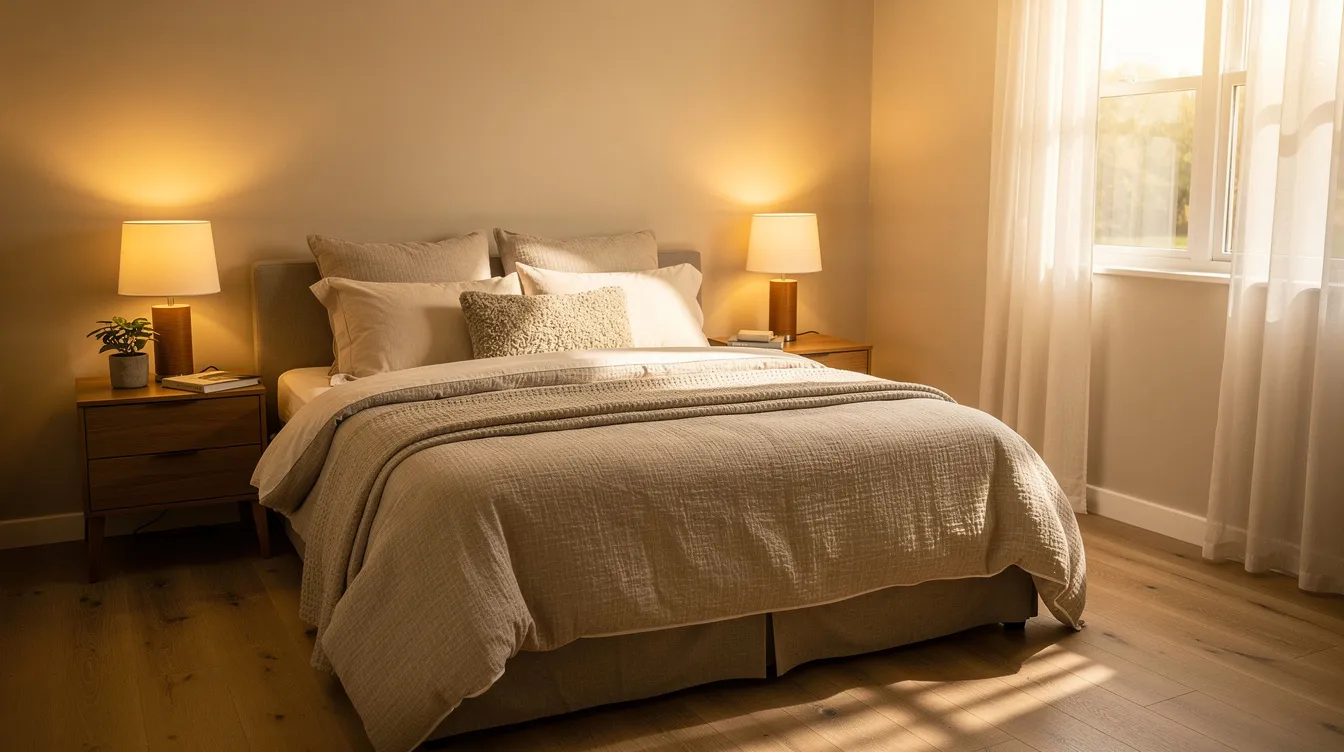
Inside the Professional Home Staging Process with Olive + Opal Interiors
This section walks through what homeowners, realtors, builders, and investors can expect step-by-step when partnering with Olive + Opal Interiors. The goal is to set clear expectations-not to offer decorating instructions.
Initial property review. The process begins with an in-person or virtual walk-through. During this review, the team discusses the client’s goals-whether that is a faster sale, stronger offers, or a model-home-level presentation-along with the ideal timeline and target list price range. Consultation services help prepare homes for sale by identifying what needs to happen before a listing goes live.
Architecture and condition evaluation. The team assesses factors like architecture (historic vs. new construction), floor plan, natural light, sightlines, and existing finishes-flooring, countertops, paint, fixtures. Consultation services can include guidance on furniture layout and cosmetic updates that will resonate with buyers in that price bracket and neighborhood. These sessions can last up to 90 minutes, covering the property in detail.
Custom proposal. Based on the evaluation, Olive + Opal Interiors develops a proposal outlining which rooms are recommended for staging, whether the project is vacant or occupied, the suggested service level (from key-room staging to full-property solutions), and an estimated investment range. Home sellers receive a report with staging recommendations after consultations, providing a clear roadmap for pre-listing preparation. Consultation fees are typically non-refundable and due at booking.
Planning and preparation. The team schedules installation dates, coordinates with listing photography and open houses, and outlines any pre-staging steps the seller should take in collaboration with their realtor. For occupied homes, this may involve clearing specific surfaces or temporarily storing select items.
Installation. On staging day, Olive + Opal Interiors manages furniture delivery, placement, artwork, lighting, and accessories. The homeowner does not need to direct the design process. Every element is selected and positioned to create the strongest possible impression.
Optimized for photography. Staging is designed not just for in-person showings but for how rooms will read on a phone screen. Sightlines, lighting, and visual flow are all considered to ensure the listing photos draw buyers in and generate showings.
During the listing period. For sellers still living in the home, the team provides property care guidelines to keep the space show-ready. Communication with the realtor about showing feedback allows for small adjustments if needed.
De-staging. Once the home is under contract or closed, all staging items are removed. Timing is coordinated with the client’s move-out or turnover schedule to minimize disruption.
Home Staging Costs in St. Louis: What Influences Investment
Staging fees in the St. Louis area vary widely based on scope, property type, and location. Rather than quoting exact prices, it is more useful to understand the variables that shape the investment and the value those dollars deliver.
The major cost factors include:
- Square footage and number of rooms staged – A 1,200-square-foot condo requires far less inventory than a 4,000-square-foot estate
- Vacant vs. occupied – Vacant staging requires sourcing and delivering all furnishings; occupied staging typically costs less since it builds on existing items
- Price point and buyer expectations – Luxury properties in Ladue, Frontenac, and Town & Country demand high end furnishings, premium art, and more elaborate styling
- Property type – Condos, townhomes, and single-family homes each present different spatial and logistical challenges
- Timeline – Rush projects with compressed schedules may require accelerated logistics, while projects planned several weeks out allow for more efficient coordination
Nationally, staging costs average about $1.50 per square foot. In the St. Louis region, occupied staging and consulting rates often fall in the $110–$120 per hour range, though that typically does not include furniture rental, painting, or deep cleaning. For mid-range homes, investing 1% of a home’s value in staging can yield 8% returns-a ratio that makes staging one of the most efficient pre-sale investments available.
Unique or challenging floor plans-converted attic spaces in older St. Louis City homes, split-levels in St. Charles, or large open concepts in new builds-may require additional design planning. These complexities affect cost but also present the greatest opportunity for staging to add value, since they are the spaces where buyers struggle most to imagine furniture placement.
Olive + Opal Interiors creates customized proposals rather than one-size-fits-all packages. They recommend the level of staging that makes financial sense for the seller’s goals and likely ROI. The right way to evaluate staging costs is not in isolation but relative to typical price reductions in the St. Louis market-staging is a proactive marketing investment, not a discretionary cosmetic expense.
Why Local Expertise Matters for St. Louis Home Staging
Staging is most effective when it reflects hyper-local buyer expectations, architectural styles, and neighborhood price brackets. A staging strategy that works in a Chesterfield subdivision will not necessarily resonate in a Lafayette Square townhouse or a Tower Grove bungalow.
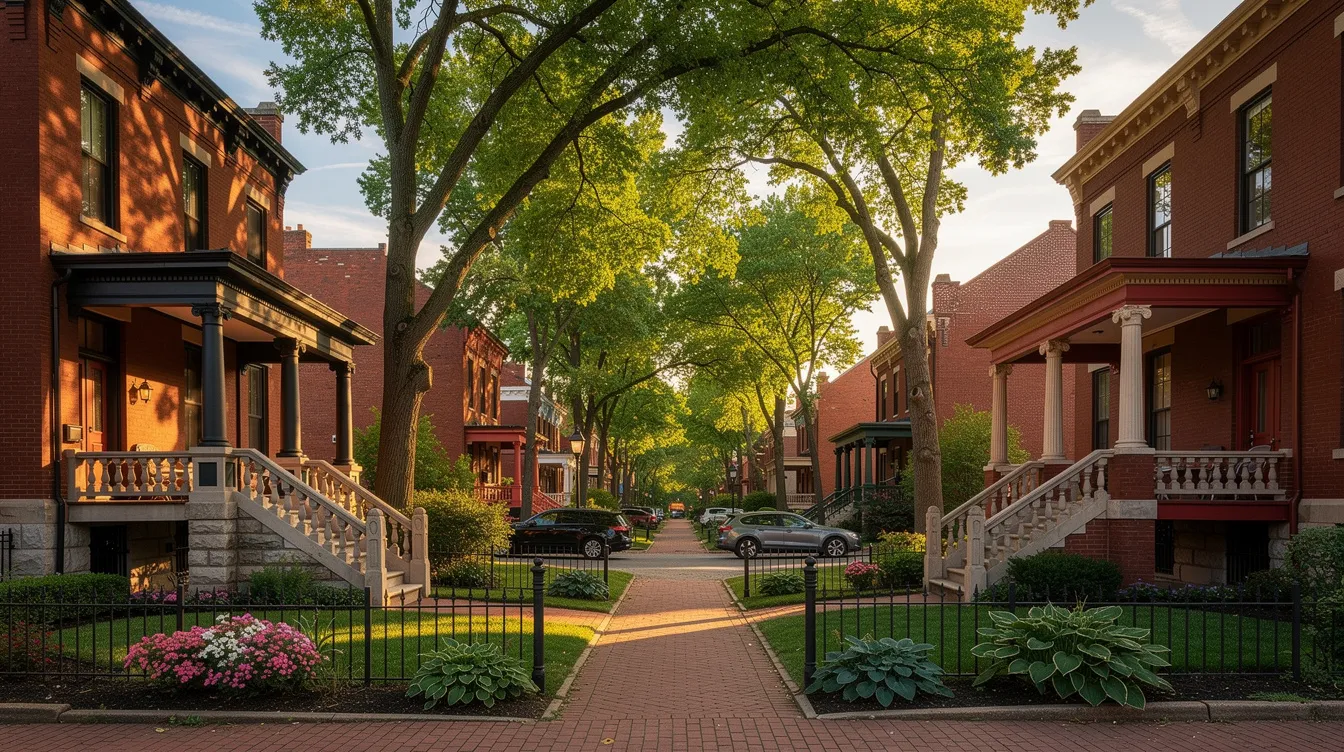
St. Louis neighborhood identities are distinct. Historic brick homes and Victorian architecture in Tower Grove, Benton Park, and Lafayette Square carry different buyer expectations than mid-century ranches in Crestwood or new construction in Chesterfield Valley and O’Fallon. Buyers in Clayton, Ladue, and Frontenac often expect a more refined, luxury staging approach-larger-scale furniture, premium materials, and lifestyle-forward styling. First-time buyers shopping in South County or North County are evaluating value, functionality, and condition, even at similar square footage.
Specific municipalities each have their own common buyer profile and lifestyle priorities:
| Neighborhood | Typical Buyer Priority | Staging Emphasis |
|---|---|---|
| Clayton | Walkability, sophistication | Urban elegance, modern furnishings |
| Kirkwood / Webster Groves | Schools, family lifestyle | Warm, functional, inviting rooms |
| Town & Country / Frontenac | Privacy, land, luxury | High-end furnishings, large scale |
| Creve Coeur / Des Peres | Convenience, updated finishes | Clean, contemporary, move-in ready |
| Brentwood | Value, character | Smart styling, defined spaces |
| Central West End | Urban amenities, walkability | Modern, compact, stylish |
| St. Charles / Wentzville | New construction, affordability | Model-home presentation |
Olive + Opal Interiors draws on ongoing experience in these local submarkets to choose furniture scale, color palettes, and styling details that resonate with likely buyers. This local insight is especially important for builder model homes, spec homes, and real estate investor flips that need to align with neighborhood comps to move quickly. You can explore examples of this work across different St. Louis neighborhoods in their staging portfolio.
Staging Solutions for Different Property Types
Olive + Opal Interiors provides tailored staging strategies for homeowners, realtors, builders, and real estate investors across a range of property types in the St. Louis region. The approach shifts based on the property’s context, buyer profile, and selling goals.
Owner-occupied resale homes. For families still living in the house while it is listed, staging typically focuses on the highest-impact rooms: entry, living room, kitchen, dining room, and primary suite. The goal is to enhance the home’s appeal for photography and showings without disrupting daily life. This is the most common scenario for clients in suburbs like Ballwin, Webster Groves, and Florissant.
Investor-owned properties and flips. Speed to market is critical. Most flipped properties are vacant, making full staging the logical choice. Staging helps differentiate a renovated home from other rehabs on the market and allows buyers to perceive the quality of finishes and layout choices. In areas like South City, Overland, and St. Charles, where multiple investor-owned properties may hit the market simultaneously, staging is often the difference between a quick sale and a prolonged listing.
Builder spec homes. In new communities across Wentzville, St. Peters, and Wildwood, buyers are frequently comparing several unfinished or partially finished homes. Staging a spec home creates the impression of move-in readiness and helps buyers connect with the floor plan as a place they can actually live-not just a set of architectural drawings.
Model home merchandising. Fully staged model homes in communities around Chesterfield, O’Fallon, and St. Charles act as a primary sales tool for entire developments. Builders use model staging to showcase floor plans, demonstrate upgrade options, and sell a lifestyle vision that drives traffic and conversions across the community.
Downtown and Central West End condos and lofts. These properties present different challenges: smaller floor areas, open layouts, and buyers who prioritize views, light, and flexible space for work-from-home setups. Staging may highlight compact functionality, modern style, and urban living in ways that maximize every square foot.
Vacant Home Staging by Olive + Opal Interiors
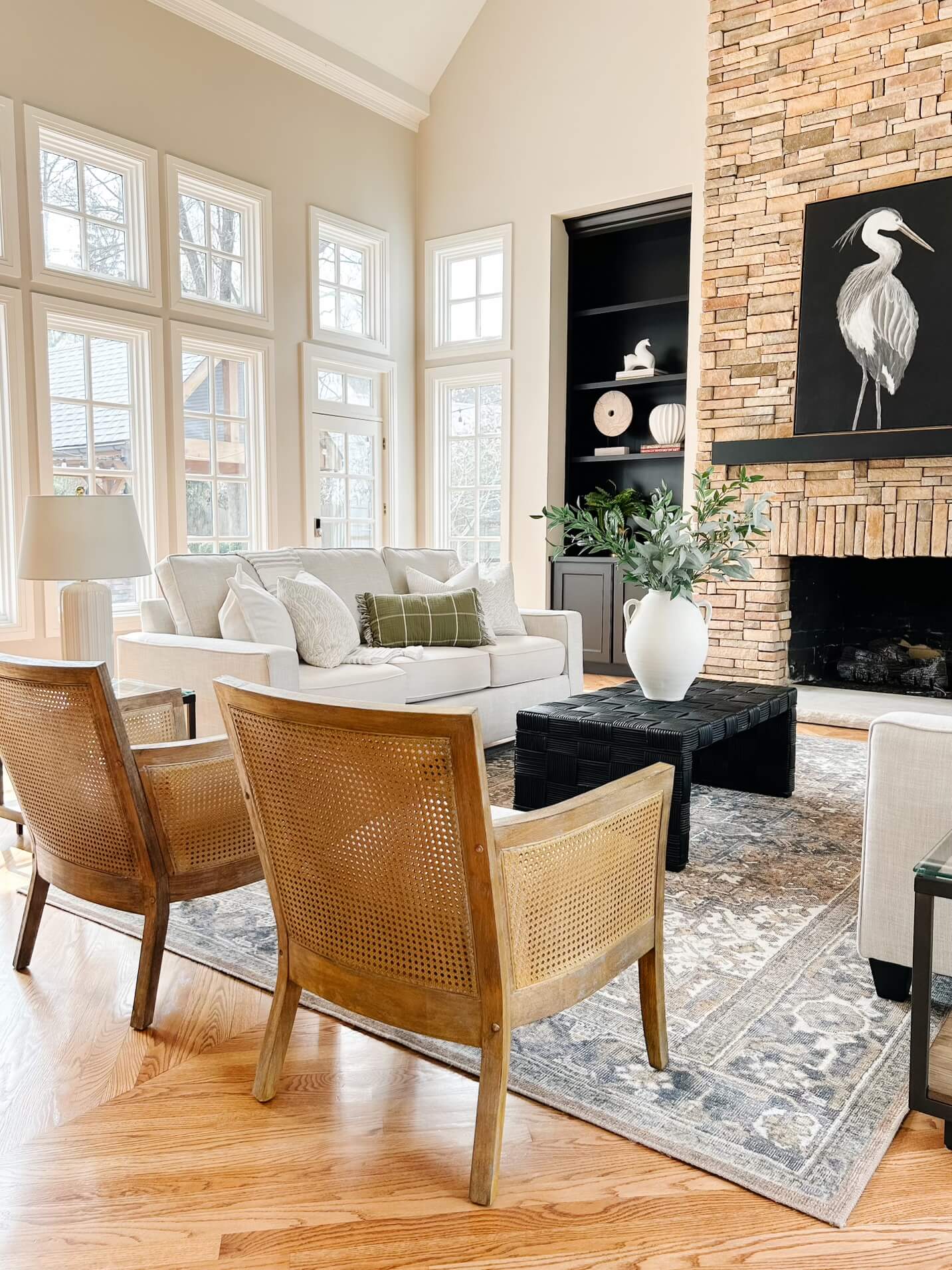
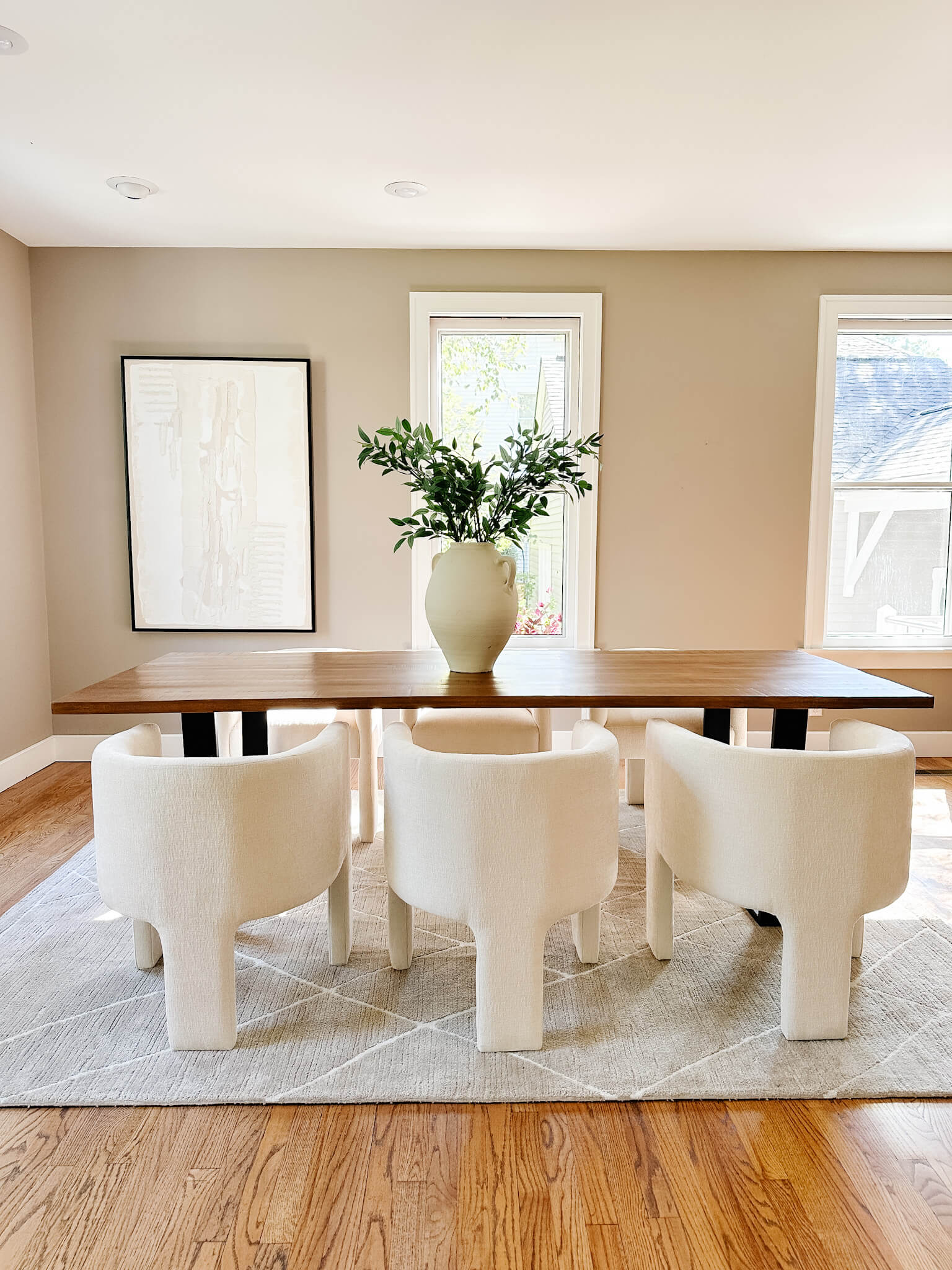
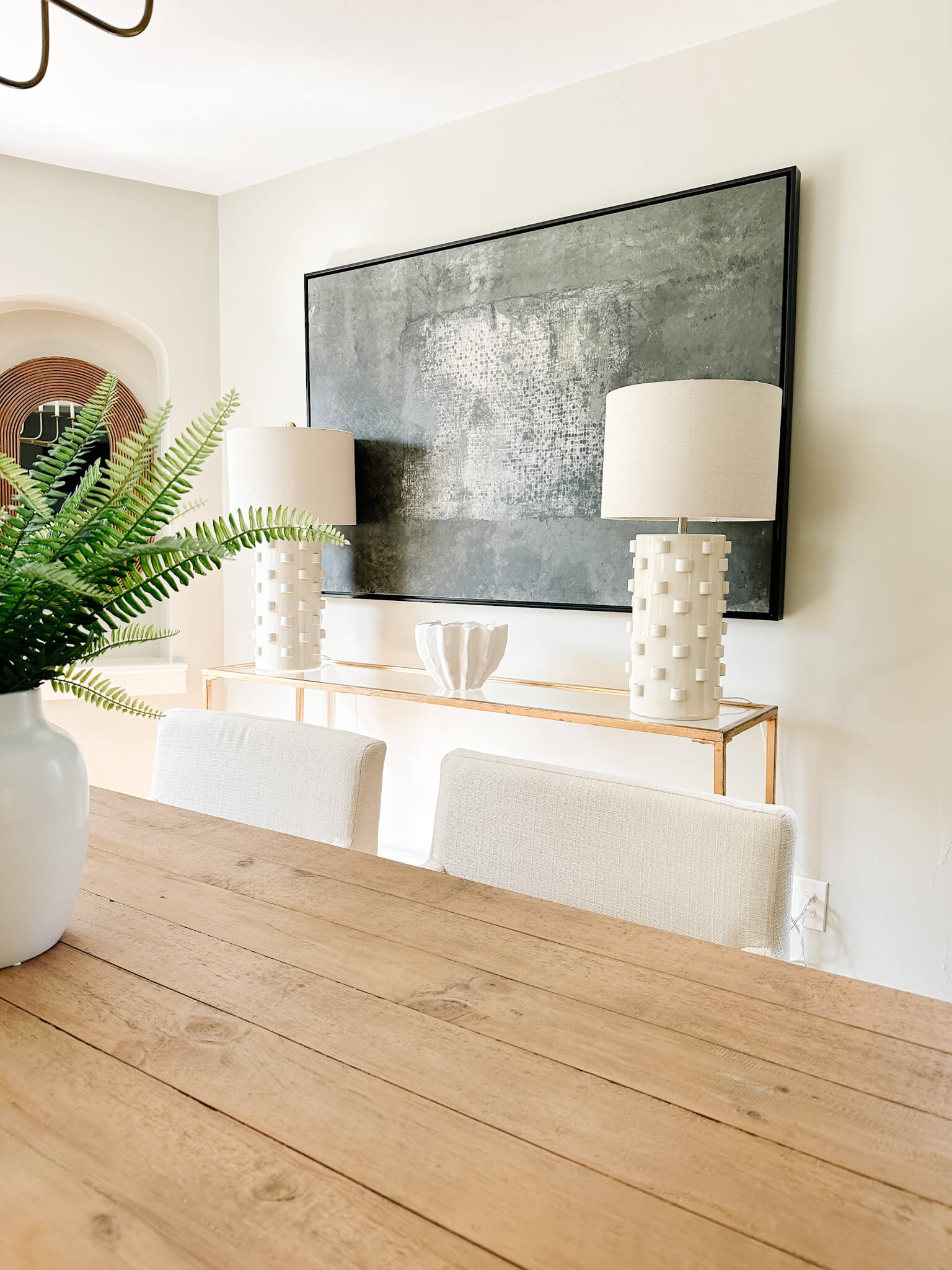
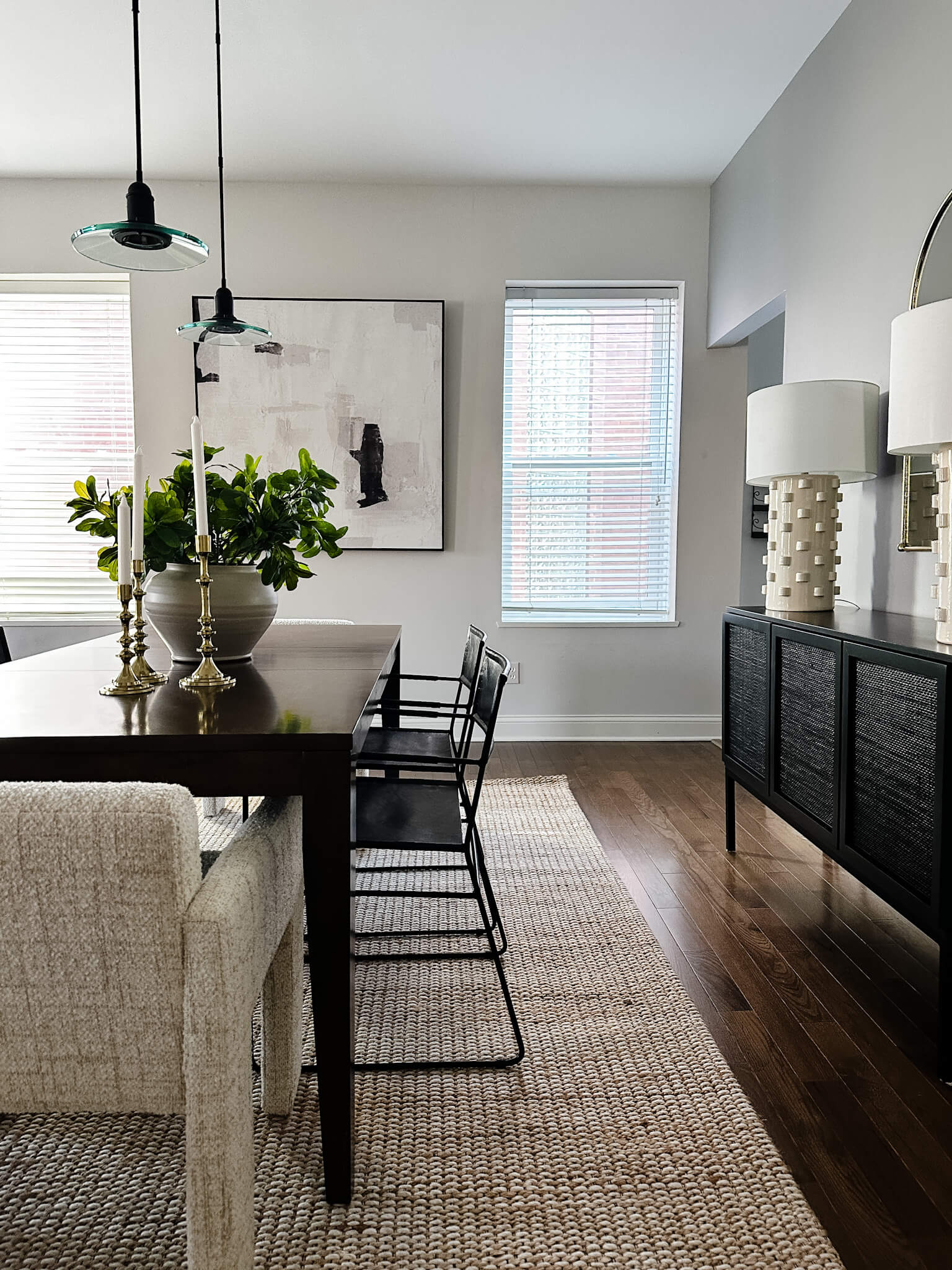
Vacant home staging is a full-scale installation where Olive + Opal Interiors provides all furniture, art, rugs, lighting, and accessories to transform an empty property into a compelling, market-ready home.
Typical use cases in St. Louis include new construction by local builders, investor flips after renovation, corporate relocations, and estate properties that have already been cleared. In these scenarios, staging makes vacant homes appear clean and move-in ready-a critical factor since buyers overwhelmingly favor properties where they can picture themselves moving in without delay.
The team selects furnishings to match the home’s architecture and target buyer. That might mean sleek modern lines for a contemporary Central West End condo, warm transitional pieces for a West County two-story, or classic touches that highlight original detail in a historic Kirkwood home. The design is never pulled from a generic template; every selection is curated for the individual listing.
Scope options range from staging the highest-impact areas-entry, living room, kitchen, dining, and primary suite-to full-home installations for larger or luxury properties where buyers expect a showcase experience throughout. In all cases, the staging improves both MLS photography and in-person showings, reducing buyer uncertainty about scale, furniture placement, and how to use open or awkward spaces. Empty rooms can feel cold, small, and undefined; staging eliminates that problem and gives buyers a reason to linger rather than rush through.
Occupied Home Staging and Styling for Selling
Occupied home staging is a collaborative process where Olive + Opal Interiors works with the homeowner’s existing furnishings, then adds or edits elements to create a streamlined, buyer-focused presentation. Occupied staging utilizes existing furniture to enhance appeal, making it a cost-effective option for sellers who plan to remain in the home during the listing period.
Typical scenarios include families in Ballwin or Webster Groves preparing to upgrade, downsizing couples in Des Peres or Creve Coeur, and professionals relocating from Clayton or Central West End condos. In each case, the process involves evaluating what stays, what goes into storage, and where strategic additions-art, lighting, bedding, and accessories-will make the greatest impact.
Staging occupied homes can create a cohesive and finished look that appeals to buyers by shifting the home from personal living mode into marketing mode. A tailored approach in occupied staging targets specific buyer demographics: what appeals to a young family in Kirkwood is different from what resonates with a luxury buyer in Ladue. Occupied staging can include packing personal items to declutter spaces, and staging helps maximize space and functionality by rearranging furniture and reducing clutter throughout the home.
The goal is never to critique the homeowner’s taste. It is to temporarily reposition the property for the average buyer in that price range and neighborhood. Staging occupied homes can help sell faster and for higher prices by creating a visual story that connects on an emotional level. Olive + Opal Interiors manages the aesthetic and logistical details so that sellers can focus on their move and life transitions, not on trying to become their own stager.
Builder Model Homes and Spec Home Staging
St. Louis and St. Charles County builders marketing new communities and spec homes face a specific challenge: they need to sell a lifestyle vision, not just square footage and finishes. A professionally staged model home does that work.
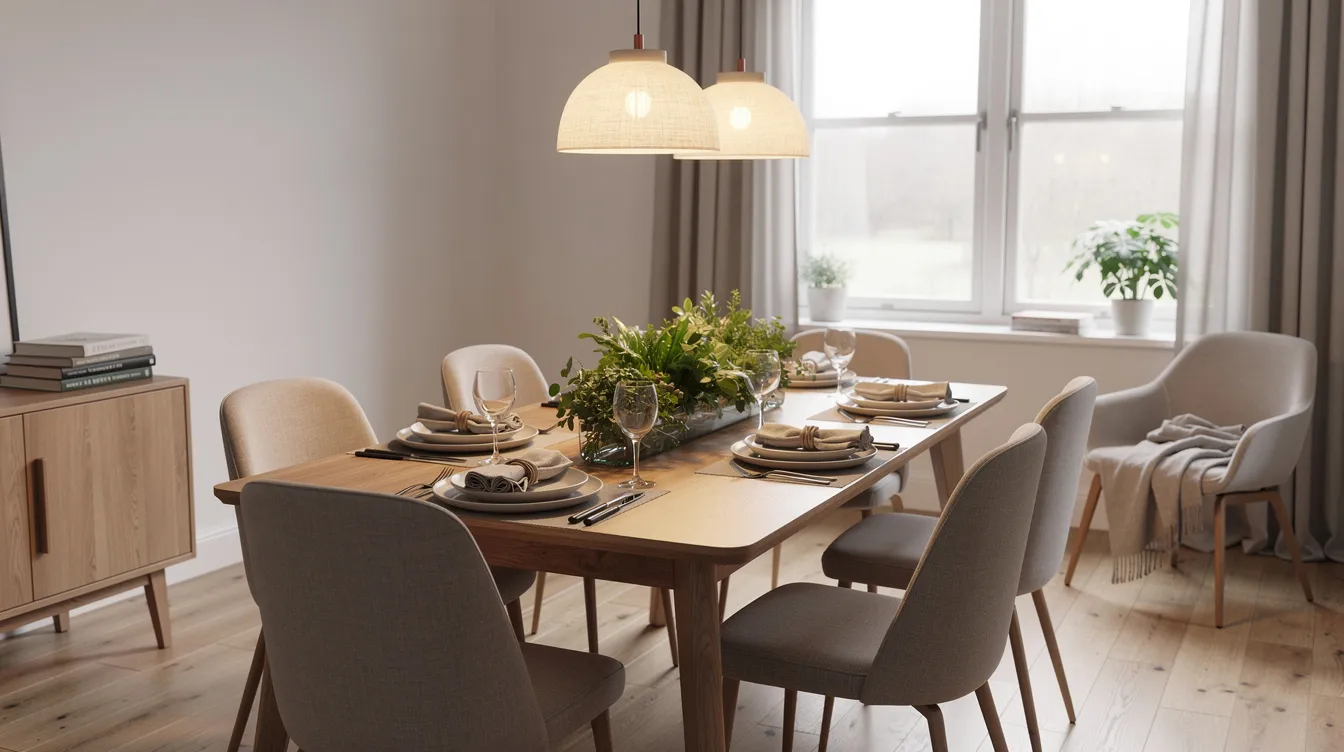
Model home merchandising in areas like Chesterfield, Wildwood, and O’Fallon showcases floor plans, upgrades, and possible furniture layouts for multiple buyer profiles. It transforms a construction project into an aspirational living experience. Buyers walking through a staged model can see how a great room functions for entertaining, how a secondary bedroom works as a home office, and how outdoor living spaces connect to the interior.
Olive + Opal Interiors collaborates with builders on finishes, target price bands, and community identity to create cohesive, on-brand model homes that support ongoing sales across the development. The staging aligns with builder-installed finishes and architectural details so the presentation feels integrated, not like furniture was dropped into a shell.
For spec homes, staging focuses on move-in readiness and competitive differentiation. When a buyer compares a staged spec home to a vacant or partially finished option nearby, the staged property almost always generates more engagement and stronger offers. Strategic staging can help builders and developers reduce carrying costs by shortening the time homes remain on the market after construction is complete.
Interior Design and E-Design for Selling (and Beyond)
Staging, pre-sale design, and long-term interior design are connected but distinct services. Understanding the difference helps clients choose the right approach for their timeline and goals.
Pre-sale design and consultation services focus on advising sellers and investors on finish selections-floors, countertops, paint colors, fixtures-that support resale value. This is not about personal preference; it is about understanding what strategic design decisions boost a home’s market value in the current St. Louis market. These services are especially valuable for investor rehabs and homeowners making updates before listing.
Interior design and styling services are for the longer term. After a client buys a new property in the St. Louis area, Olive + Opal Interiors can help create a cohesive, livable design that reflects personal style, daily routines, and functional needs. This is design for living, not for selling.
E-design-or virtual design-options serve clients who need flexible, remote-friendly design support. Out-of-town investors managing St. Louis rental properties, relocating families who want their new home styled before they arrive, or anyone who prefers a digital-first process can all benefit. These services include mood boards, sourcing, and remote styling guidance, all handled by professional designers rather than left to guesswork.
Olive + Opal Interiors can advise whether a client’s current situation calls for pre-sale staging, post-purchase design, or a combination. The right answer depends on the goal and the timeline.
Common Myths About Home Staging in St. Louis
Misunderstandings about staging cause sellers, agents, and investors to leave money on the table or struggle with slower sales. Here are the most persistent myths-and the reality behind each.
Myth: “Staging is only for luxury homes.” Staging benefits entry-level condos in downtown St. Louis, mid-range homes in St. Peters, and high-end estates in Frontenac alike. The approach and materials scale to match the budget and buyer expectations, but the underlying principle is the same: a well-presented home generates more interest and stronger offers than one left to speak for itself.
Myth: “My house is already nicely decorated.” Personal decorating and market-focused staging have fundamentally different goals. A beautifully decorated home in Webster Groves or Clayton may still contain elements-family photos, bold paint choices, niche collections-that narrow the pool of interested buyers. Staging edits and neutralizes without erasing character.
Myth: “Buyers can imagine furniture on their own.” Most buyers struggle with scale and layout, especially in vacant properties and open floor plans. Research shows that staged homes generate more confident, higher offers because buyers can immediately understand how each space functions. Without furniture, rooms feel smaller, undefined, and harder to connect with.
Myth: “Occupied homes don’t need staging.” Lived-in homes benefit significantly from a professional eye. Even minor edits-removing personal clutter, adding consistent lighting, swapping out dated accessories-can shift a home from “someone else’s house” to “my future home” in a buyer’s mind.
Myth: “Staging costs too much.” This is usually a comparison error. Staging costs represent a small fraction of the list price. Contrast that with the typical $10,000–$20,000 price reductions that sellers often make after a home sits on the market without sufficient interest. Staging is money spent proactively to prevent larger losses reactively.
Who Benefits Most from Professional Home Staging?
Professional staging is useful across a wide range of clients in the St. Louis area, from individual homeowners to large-scale developers. Here is how each group benefits:
Homeowners preparing to list a primary residence, second home, or inherited property benefit by selling in less time while protecting their equity. Staging helps avoid the cycle of price cuts and extended market exposure that erodes net proceeds.
Realtors use staging as a listing tool to win new clients, elevate their brand, and produce stronger photography and marketing collateral. In competitive neighborhoods across Clayton, Kirkwood, and the broader metro area, offering staging as part of a marketing package can be a decisive differentiator. Many agents recommend staging as standard practice for their listings.
Real estate investors turn around renovated properties more efficiently when those properties are staged. Staging differentiates a flip from investor competition and justifies a higher asking price in areas like South City, Overland, and St. Charles. The faster a flipped property sells, the more profitable the project.
Builders and developers marketing new communities, model homes, and spec homes use staging to drive traffic and sales in West County, St. Charles County, and beyond. Staging is their primary tool for selling a lifestyle to prospective buyers.
Relocation clients who must move quickly for work need a hands-off, professional solution. Staging allows them to focus on their transition rather than preparing the property themselves.
How to Choose a Home Staging Company in St. Louis
Not all staging companies operate the same way. Selecting the right partner can significantly affect listing performance, timeline, and the seller’s experience throughout the process.
Review the portfolio. Look for properties similar in price point, style, and neighborhood to your listing. A company that has staged historic city homes, luxury West County estates, and new suburban construction demonstrates range and local understanding. Generic portfolios with no St. Louis context should raise questions.
Ask about process and timeline. How early does the company engage before the listing date? How is staging coordinated with photographers and listing schedules? What happens once the home goes under contract? A company that integrates seamlessly with the listing launch-rather than operating in isolation-delivers better results.
Evaluate inventory quality and style range. The furnishings should feel appropriate to the property. A Clayton condo or Town & Country estate demands elevated, on-trend pieces-not dated rental furniture. Ask about the range and quality of what the company provides.
Prioritize communication and reliability. This matters most for agents, investors, and builders working with tight launch windows. Clear contracts, responsive communication, and on-time delivery are non-negotiable in a fast-moving market.
Olive + Opal Interiors brings experience across vacant and occupied staging, builder work, and interior design across the greater St. Louis region. Their proven results and local experience position them as a strategic, marketing-focused partner-not simply a furniture rental service.
Frequently Asked Questions About Home Staging in St. Louis
Below are answers to the practical questions St. Louis–area sellers, agents, investors, and builders commonly ask. Each answer is tailored to local conditions and designed to clarify expectations rather than provide decorating instructions.
Is home staging really worth it in the St. Louis area?
While results can never be guaranteed for any individual property, local experience and industry data consistently show that well-staged homes generate more showings, spend fewer days on market, and are more likely to receive stronger offers than comparable unstaged properties. In competitive neighborhoods like Clayton, Kirkwood, and Chesterfield, the impact is particularly pronounced. In a slower or shifting market, staging can prevent steep price reductions by improving first impressions and perceived value from day one. The decision should be based on the property’s price point, condition, and seller goals-all of which Olive + Opal Interiors reviews during an initial consultation.
How far in advance should I contact a home staging company before listing?
Reaching out 3–6 weeks before the planned photography or MLS date is ideal. This allows time for consultation, proposal development, scheduling, and coordination with any other prep work like cleaning, painting, or repairs. Olive + Opal Interiors can often accommodate tighter timelines, but earlier contact provides more flexibility and options, particularly for larger or luxury properties. Builders and investors typically benefit from looping in a stager while construction or renovation is wrapping up-not after the home has already been sitting on the market.
Do I have to move out of my house for it to be staged?
Moving out is not required. Many St. Louis homeowners successfully sell with occupied staging support while continuing to live in the property. The staging team works around daily life, balancing market-ready presentation with practical living. In some cases-such as extensive renovations, luxury listings where a clean canvas is essential, or situations where the home is largely empty already-full vacant staging may be more effective. This is evaluated on a case-by-case basis during the initial property review.
How long does the staging stay in my home?
Staging typically remains in place through active marketing and showings, often until just before closing or shortly after a firm contract is in place. Specific time frames are outlined in the staging agreement and can vary based on property type, location, and expected days on market for that segment in St. Louis. Olive + Opal Interiors coordinates de-staging timing with the homeowner, realtor, or builder to minimize disruption and align with the client’s schedule. For more detail on timelines and logistics, visit their FAQ page.
What is the difference between home staging and interior design services with Olive + Opal Interiors?
Staging focuses on preparing a property for sale. It appeals to a broad target buyer, supports photography and showings, and is designed to be temporary. The aesthetic choices prioritize market appeal over personal taste. Interior design services are for long-term living-deeply customized to the homeowner’s taste, lifestyle, and functional needs after they have purchased a property. Olive + Opal Interiors offers both and can advise clients on whether their current situation calls for pre-sale staging, post-purchase design, or a combination of strategic services.
Does staging help with listing photography?
Absolutely. One of the primary purposes of staging is to ensure that listing photos are as compelling as possible. Professionally staged homes often feature magazine-quality listing photos that perform significantly better on Zillow, Redfin, Realtor.com, and social media. Since the majority of buyers start their search online, photography is often the single most important factor in generating showings. Staging is designed with the camera in mind-sightlines, lighting, and composition are all considered during installation.
Can builders benefit from home staging?
Builders are among the clients who benefit most from professional staging. Model home merchandising drives traffic and sales across entire communities. Spec home staging creates the impression of move-in readiness and helps buyers compare a finished, styled home favorably against vacant or partially complete options. Over 400 vacant homes are staged annually by firms like Dazzle, reflecting the scale of demand in the new construction and spec home market. Olive + Opal Interiors works directly with builders to align staging with finishes, target price bands, and community branding.
How does staging differ from virtual staging?
Virtual staging uses digital software to add furniture and decor to photographs of empty rooms. While it is less expensive than physical staging, it only works in photos-buyers who visit the home in person will encounter empty rooms. Physical staging delivers value in both online browsing and in-person showings. For sellers who can invest in full staging, the in-person experience is a significant advantage, especially in the St. Louis market where weekend open houses and multiple showings remain the norm.
Professional home staging in St. Louis is not a cosmetic afterthought. It is a strategic marketing decision that shapes how buyers perceive your property from the first photo they scroll past to the moment they walk through your front door. In a market where days on market, offer strength, and final sale price are all influenced by presentation, staging is one of the most measurable ways to protect your equity and position your property for the best possible outcome.
Whether you are listing a starter home in Brentwood, a family home in Kirkwood, or a luxury property in Frontenac, the right staging strategy can make a real and measurable difference. Olive + Opal Interiors brings dedication to every project, combining local market knowledge with a design-forward approach that is anything but generic.
Ready to see what staging can do for your listing? Request a free consultation or connect with the Olive + Opal Interiors team to discuss your property and goals. Your home deserves to be presented at its highest potential-and the right staging partner makes that possible.