8/20/26
The Ultimate Guide to Working With an Interior Designer in St. Louis
Whether you’ve been searching for interior designers in your area after staring at the same half-finished living room for three years, or you’re about to break ground on a new build and feeling overwhelmed by decisions, this guide is for you. Here’s what to expect, how the process works, and how to choose the right fit.
Key Takeaways
- Interior designers do far more than pick paint colors. They manage space planning, material selections, customization, elevations, lighting plans, and coordination with builders and trades to bring a cohesive vision to life.
- Involving a local interior designer early in a renovation, new build, or furnishing project saves time, reduces expensive mistakes, and brings clarity to your budget, scope, and timeline.
- Olive + Opal Interiors offers full-service and virtual interior design services tailored to historic city homes, established neighborhoods, and new construction across the greater St. Louis area.
- Interior design pricing varies by scope and complexity. This article breaks down what influences cost, what to ask prospective designers, and how to prepare for your first consultation.
What an Interior Designer Really Does (Beyond Picking Pillows)
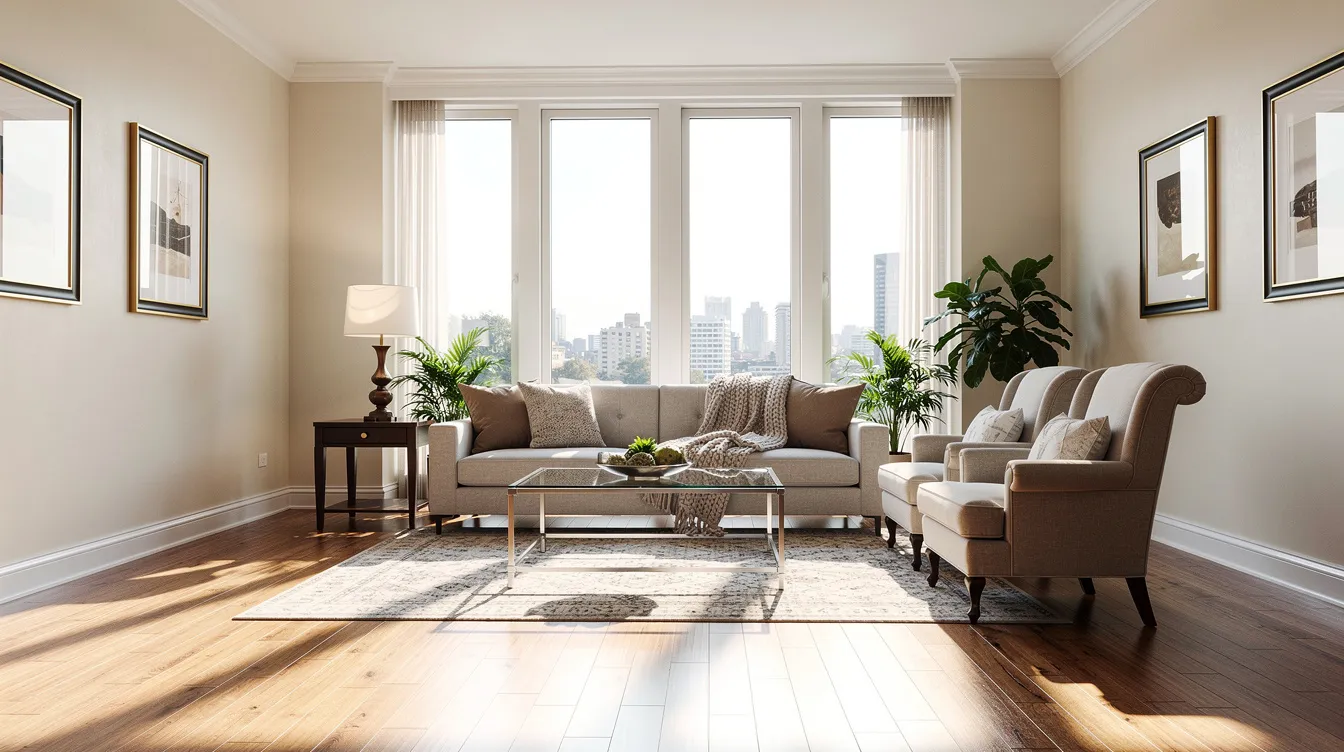
Most people who search for interior designers in their area are thinking about furniture and finishes. That’s understandable-those are the visible results. But a professional interior designer is equal parts creative director and project manager, and the work that matters most happens long before a sofa is delivered.
Interior design encompasses the structural and functional planning of a space: floor plans, detailed elevations, electrical and lighting layouts, cabinetry and millwork drawings, material schedules, and furniture arrangements. Interior design services include space planning and furniture selection, but extend well beyond them into procurement, trade coordination, and project oversight. Designers arrange the basic layout of spaces while applying knowledge of construction documents, occupancy codes, and safety requirements.
What does that look like in practice? A designer translates your life-kids, pets, how you cook, where you work from home-into specific decisions. That means performance fabrics that survive a golden retriever, layered lighting that works for both homework and dinner parties, and built-in storage that makes a 1920s row house function like it has twice the square footage.
For example, on a kitchen renovation in the St. Louis area, a designer might catch that the planned island dimensions would block the path between the stove and refrigerator before cabinets are ordered, saving thousands in rework. That kind of expertise is invisible until you need it.
Interior Design vs. Interior Decorating
While “interior designer” and “interior decorator” are often used interchangeably, they typically reflect different scopes of work. The difference matters when you’re deciding what kind of help you need.
Interior design involves the overall function and structure of interior spaces-walls, circulation, lighting, electrical placement, cabinetry, and finishes-and often requires collaboration with architects and builders. Decorating, by contrast, is the finished layer once the bones are set: furniture, rugs, artwork, window treatments, and styling. Decorators do not design in the structural sense.
A concrete St. Louis example: redesigning the main floor of a 1905 brick home in Lafayette Square-reconfiguring the kitchen layout, relocating plumbing, and integrating modern lighting without damaging historic plaster-is design. Refreshing a suburban great room in Chesterfield with new sofas, a rug, and updated decor is decorating.
Many firms, including Olive + Opal Interiors, offer both. If your project involves construction, layout changes, or coordination with trades, clarify that you need full-service interior design when you begin reaching out to local professionals.
Signs You’re Ready to Hire an Interior Designer Near You
Homeowners often wait until they feel stuck before searching for help. If any of these sound familiar, it may be time:
- You’ve been debating the same three tile options for six months
- You and your partner disagree on the direction for the kitchen or primary bedroom
- Multiple rooms remain unfinished years after moving in
- Your kitchen layout frustrates you daily, but you don’t know what to change
- You’re trying to honor the original millwork in a 1930s Tudor while updating for modern life
- You purchased new construction that feels impersonal and “builder grade”
Specialized directories help find top-rated interior designers locally. Houzz, for instance, features 1,499 interior designers available for hire. Yelp allows users to search for interior decorators in their area, and Thumbtack helps find local interior designers through detailed questionnaires. These are useful starting points, but expert advice from a designer you connect with personally will always outperform a search result.
Designers reduce decision fatigue, protect your budget by guiding where to invest and where to save, and prevent the kind of piecemeal approach that leads to rooms that never quite feel finished.
When to Involve an Interior Designer in a Renovation, New Build, or Furnishing Project
The best time to look for interior designers in your area is earlier than most homeowners think-often before plans or permits are finalized.
Renovation: Bring a designer in during planning, before plumbing, electrical, and window locations are locked. For a primary bathroom rework in Kirkwood, early input means the shower niche, vanity lighting, and storage are designed together, not patched in later.
New build: While blueprints are being developed, a designer can influence window placement, ceiling details, lighting rough-ins, and finish selections in collaboration with the architect-so the home supports your family’s routines from day one.
Furnishing projects: Reach out at least two to three months before you want to use the new space. Design, ordering, lead times, and installation all require scheduling.
Virtual interior design services are available for both residential and commercial spaces, making them a practical option for smaller furnishing projects or out-of-town homeowners with property in the area. Full-service design remains the stronger choice for renovations and new builds where site coordination is essential.
What to Expect From the Interior Design Process in St. Louis
A typical Olive + Opal Interiors full-service interior design project moves through clear phases. Here’s what that looks like:
Initial consultation: Usually 60–90 minutes, either in-home, at the studio, or virtual. You’ll discuss goals, lifestyle, budget, and inspiration images. Bring photos, a floor plan if you have one, and any wish lists. Interior designers create custom mood boards and floor plans for clients, and some firms also offer 3D renderings of proposed spaces to help visualize the direction before any purchases are made.
Design agreement and scope: The designer defines deliverables, fees, project phases, and communication expectations in writing. This protects both sides from scope creep.
Concept development: Mood boards, preliminary layouts, and initial material direction, tailored to the specific architecture of your home.
Design development: Finalized space planning, detailed drawings, curated selections for tile, flooring, plumbing, lighting, furnishings, and fabrics-all priced and aligned to the agreed budget.
Procurement and coordination: Ordering, tracking, resolving backorders, communicating with trades, and scheduling deliveries.
Installation and styling: The team oversees placement, styling, and punch-list items. This is the day the room comes together.
How Designers Bring Clarity to Vision, Budget, Timeline, and Scope
One of the biggest benefits of hiring an interior designer is turning a vague idea-“we want it to feel lighter and more cohesive”-into a documented plan with real numbers and a schedule.
Designers refine your saved inspiration into a cohesive design direction that respects your home’s architecture. They build a realistic budget based on current St. Louis material and labor costs, explaining trade-offs between custom and ready-made pieces. They sequence the project timeline, coordinating with contractors, cabinet makers, and installers so work follows a logical order. And defining scope up front-room by room, task by task-prevents miscommunication and costly revisions.
The Value of Space Planning, Selections, Sourcing, and Coordination
Great interior design is as much about what you don’t see-the planning and coordination-as what you do.
Space planning ensures a family room can seat six to eight people while maintaining clear walkways and sightlines to the fireplace. Material selection means choosing hardwoods that work with St. Louis humidity or countertops that suit how you actually cook. Sourcing gives you access to trade-only showrooms, custom upholstery, and built-ins crafted to fit unique ceiling heights or old-house quirks. And project coordination-weekly check-ins with contractors, answering job-site questions, reviewing work against the design intent-means you don’t have to manage every detail yourself.
How Designers Collaborate With Builders, Contractors, and Trades
A strong partnership between the interior designer and the builder or contractor is what separates a smooth project from a stressful one. Designers should show transparency in managing budgets and contractor communication throughout every phase.
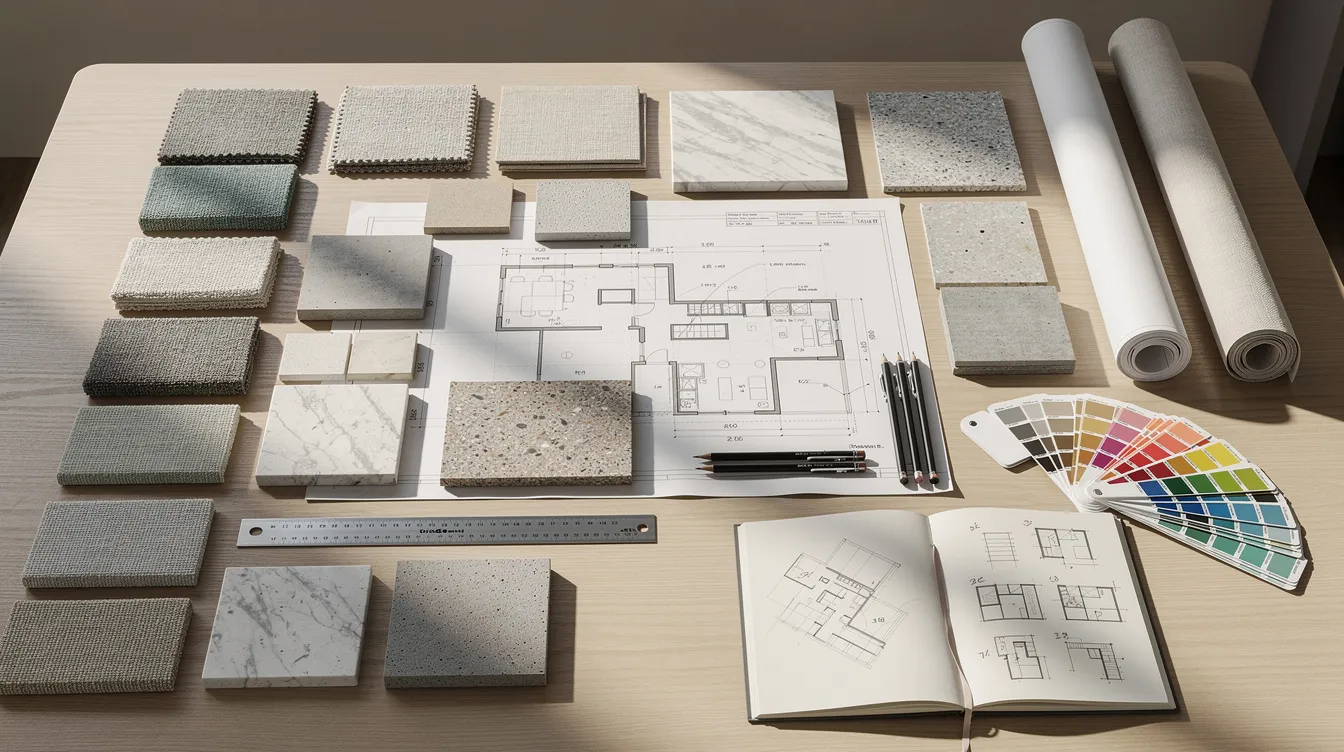
Designers work alongside architects to refine interior elevations, verify that furniture layouts align with window and door placements, and integrate millwork details. They collaborate daily with electricians, plumbers, tile installers, and cabinet makers-coordinating recessed lighting placement in a Clayton condo or tile layout in a University City bungalow, for example.
Local designers often have established relationships with trusted St. Louis trades, which helps maintain quality and speeds up problem-solving when something arrives damaged or needs adjustment on site. This collaboration protects you from having to make rapid-fire technical decisions and reduces the risk of expensive rework.
Why Local St. Louis Experience Matters
Choosing an interior designer in your area isn’t only about style. Local knowledge directly impacts how well the project runs.
St. Louis homes span 19th-century brick row houses, midcentury ranches, and new construction in expanding suburbs-each with different structural quirks. Local designers understand regional factors like older plaster walls, Midwest temperature and humidity swings that affect wood and finishes, and historical details that need to be preserved or updated respectfully. Long-standing relationships with local showrooms, workrooms, and trades can accelerate problem-solving and improve quality control.
Look for an interior designer whose portfolio features projects located in and around the area, demonstrating familiarity with the architecture and lifestyle you live with daily.
Avoiding Expensive Mistakes and Decision Fatigue
Some homeowners hesitate to add the cost of a designer. But professional guidance often saves money overall by preventing errors that are far more expensive to fix than to avoid.
Common mistakes a designer catches before they happen:
- Ordering a sectional that won’t fit through a 1920s front door
- Choosing a finish that clashes with existing wood trim
- Installing lighting at the wrong height over a dining table
- Selecting porous countertop material for a household that cooks heavily
- Underestimating storage needs, leading to clutter within months
Designers create scaled drawings, review specifications with trades, and present curated options-three vetted choices instead of hundreds-so you can make confident decisions without the paralysis of scrolling through infinite tile options online. They also think long-term, crafting solutions with durable materials and flexible spaces that adapt as kids grow or work situations change.
What Influences the Cost of Interior Design Services in St. Louis
Interior design pricing varies, but there are common structures worth understanding before you request proposals.
| Fee Structure | How It Works |
|---|---|
| Hourly rate | Typical rates for interior designers range from $50 to $200 per hour. In St. Louis, established designers generally fall in the $75–$150/hour range. |
| Flat project fee | Designer estimates total hours, materials, and markup for a defined scope. |
| Design fee + furnishings budget | Separate fee for design work, plus a managed budget for purchasing furniture and materials. |
| Percentage of construction cost | Sometimes 10–20% for large renovations. |
For context, Home Advisor reports the national average cost to hire an interior designer is $5,972, though that varies enormously by scope. Online interior design services cost between $79 and $2,219 per room. IKEA offers interior design services for both residential and commercial spaces starting at $149 per room. Crate & Barrel provides free interior design services at their stores. Fixed-price packages for interior design can range from £195 to £695 per room depending on the firm. Some companies like Decorilla pair clients with two designers for personalized service.
Key cost drivers include: number of rooms, level of renovation versus furnishing only, complexity such as custom cabinetry or detailed millwork, and whether you’re working with full-service or virtual interior design services. Higher-quality materials and trade-only sources influence the furnishings budget but typically deliver better longevity and performance.
Ask prospective designers for a clear explanation of how they bill, what is included, and what additional costs-freight, installation, contractor fees-you should plan for.
Questions to Ask Before Choosing an Interior Designer Near You
Use this as a practical checklist when interviewing designers:
- “What does your full-service process look like from start to finish?”
- “How do you communicate updates-and how often?”
- “How do you structure your design fees, and what is included versus excluded?”
- “How do you handle budget changes or additions to scope?”
- “How do you work with my contractor or builder? Can you recommend local trades?”
- “Can you share references from clients with similar projects?” References from clients with similar projects are crucial for evaluating designers.
Credibility can be verified through professional certifications and trade memberships. Don’t hesitate to ask about these during your search.
Determining Whether a Designer Is the Right Fit
The right interior designer should feel both inspiring and easy to communicate with. Interior designers balance aesthetic alignment, operational style, and budget transparency-all three matter.
Review full project photos in a designer’s portfolio, not just close-up vignettes. Portfolios should be assessed for stylistic versatility versus signature style-some designers have a recognizable look, while others adapt to each client. Pay attention to how spaces flow, how storage is integrated, and how color and texture are balanced.
Design awards can provide evidence of a designer’s credibility, but they do not guarantee compatibility. Evaluating an interior designer’s work involves checking references and client testimonials alongside the visual portfolio. Notice whether the designer listens more than they talk during the consultation, asks thoughtful questions, and reflects your priorities accurately. Alignment on communication style, timeline expectations, and decision-making approach is just as important as loving the portfolio.
Explore Olive + Opal Interiors’ portfolio and about page to get a sense of the firm’s style, values, and process before booking a conversation.
Preparing for Your First Interior Design Consultation
A bit of preparation helps you get far more value from that first meeting. Here’s what to gather:
- Floor plans or measurements of the spaces you want to address, plus any builder or architectural drawings
- Photos of the current space, including problem areas and any detail you want to preserve
- Inspiration images from magazines, Pinterest, or saved posts-be ready to discuss what draws you to each image (the light? the color? the layout?)
- Practical needs discussed with your partner or family: number of people, pets, storage frustrations, entertaining habits, non-negotiables
- An honest budget range and ideal timeline-transparency helps the designer tailor recommendations and keep expectations realistic
Olive + Opal Interiors may ask clients to complete a brief questionnaire before the consultation to streamline the conversation and focus quickly on priorities.

Why Professionally Designed Homes Feel Personal, Not Staged
There’s a persistent myth that hiring a designer results in a home that looks “too perfect” or impersonal. In reality, thoughtful design should feel like an elevated version of your life-not a magazine set you’re afraid to touch.
Designers weave in existing pieces with history-an heirloom dining table, a vintage rug found at a local shop, children’s artwork-and build the design around them. They think long-term, selecting classic foundations like floors, tile, and cabinetry, then layering in decor that can evolve over the years rather than chasing short-lived trends.
A cohesive home doesn’t mean every room matches. Designers create a thread of consistency in materials, color temperature, and proportion while allowing each space to have its own personality. In a St. Louis home where stained glass or brick arches meet modern updates, the result feels warm and lived-in-inspired by the homeowners, not copied from a feed.
How Interior Design Supports Your Lifestyle and Daily Routines
Great interior design is about how a home works day to day, not just how it photographs.
That means a drop zone in a Ballwin home that handles sports gear and school bags without turning the entryway into chaos. A flexible guest room and office in a Soulard townhouse. A kid-friendly lower level that transitions to a teen lounge in five years. Designers consider circulation, sightlines, natural light, and acoustics to create calm, functional environments for working, relaxing, and entertaining.
Where relevant, they also address accessibility and aging-in-place considerations-wider walkways, appropriate lighting levels, and thoughtful bathroom planning. Investing in professional design is an investment in how easily your family can live in the home for years to come.
FAQ: Working With an Interior Designer in St. Louis
Below are answers to the questions St. Louis homeowners most frequently ask once they begin seriously considering hiring a professional designer.
How much does an interior designer cost in St. Louis?
Pricing varies by firm, scope, and service level. Most established St. Louis interior designers charge an hourly rate (typically $75–$150 per hour), a flat design fee, or a combination of design fee plus furnishings budget. Renovation and new-build projects generally require a larger investment than furnishing-only work because of the time involved in drawings, coordination, and site visits. While commercial interior design services cater to offices, restaurants, and hotels with different fee structures, residential projects should always start with a clear proposal outlining fees, inclusions, and any additional costs you should expect.
When should I hire an interior designer for my project?
As early as possible. For a renovation or new build, involve a designer before architectural plans are finalized so layout, lighting, and material choices are aligned from the start. For furnishing projects, reach out at least two to three months before your target completion date to allow for design development, order lead times, and installation scheduling.
What should I expect during an interior design consultation?
A typical consultation lasts 60–90 minutes. The designer will tour your home or review plans, discuss your goals, challenges, lifestyle, and style preferences. They may take measurements, review your inspiration images, and talk through a realistic budget and timeline. The consultation focuses on understanding fit and scope-not delivering a finished design on the spot. A formal proposal follows if both parties want to move forward.
Can an interior designer work with my existing furniture and decor?
Yes. Most designers are happy to incorporate meaningful existing pieces, especially items with sentimental value or high-quality construction. Part of the designer’s role is to edit, reimagine, or relocate existing furniture and decor so the home feels cohesive, then add new pieces where needed to complete the design. Be honest about what must stay and what can go so the designer can plan accordingly.
Should I hire a designer before choosing a contractor or builder?
Ideally, hire a designer either before or at the same time as selecting a contractor, so both teams can collaborate from the start. Designers can help you evaluate contractor bids in the context of your desired level of finish and detail, and many can recommend trusted local builders and trades. When a designer joins after construction has started, their ability to finalize layout and infrastructure choices is more limited, which can constrain options and lead to compromise.
How long does a full-service interior design project take?
A typical full-service residential project in St. Louis takes three to six months from first consultation through installation. Larger or luxury projects-particularly those involving custom cabinetry, detailed millwork, or complex coordination-can stretch to six to nine months or more, largely due to fabrication lead times, permitting, and trade scheduling. Simply type out your scope and timeline goals when you first connect with a designer, and they can give you a more accurate estimate.
Next Steps: Exploring Interior Designers in Your Area
If you’ve made it this far, you already have a clearer understanding of what working with a professional interior designer involves-and whether it’s the right step for your home. The next move doesn’t have to be a big one. Start by gathering your inspiration, clarifying your priorities, or simply reaching out for a conversation.
Explore Olive + Opal Interiors‘ portfolio to see recent projects across historic homes, suburban renovations, and new construction. Visit the interior design services page on our website to understand full-service and virtual offerings, and how each might match different project sizes and budgets.
When you’re ready, contact the studio to schedule an appointment for an initial conversation. The goal isn’t perfection on a page-it’s a home that feels cohesive, functional, and deeply personal to the way you actually live.
The right designer doesn’t just make your home look better. They make it work better for the life happening inside it.